Objectives
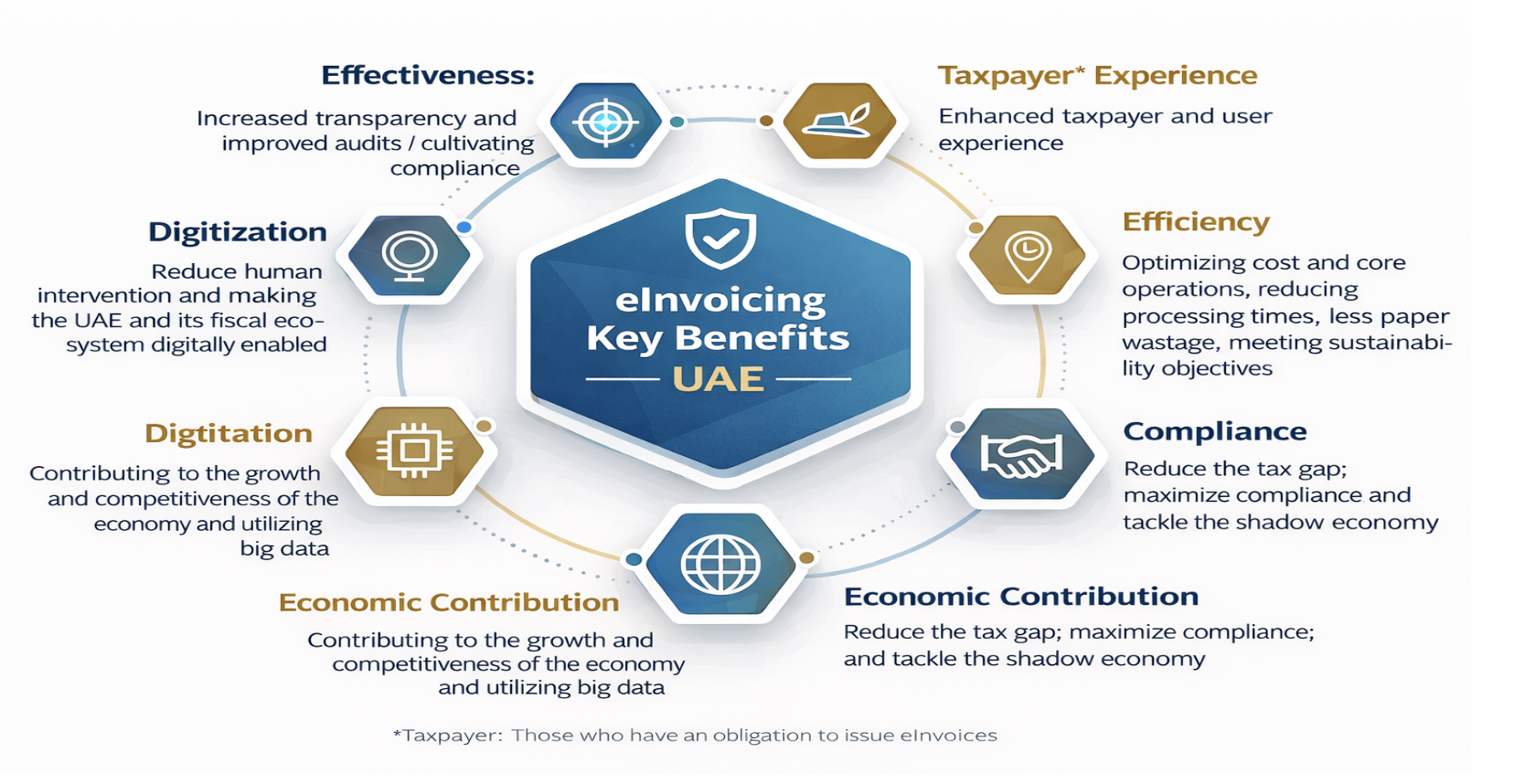
- Enable a paperless digital economy
- Reduce tax gaps and prevent evasion
- Improve transparency and audits
- Enhance taxpayer experience
- Reduce operational costs
- Support sustainability goals
- Strengthen economic competitiveness
Introduction
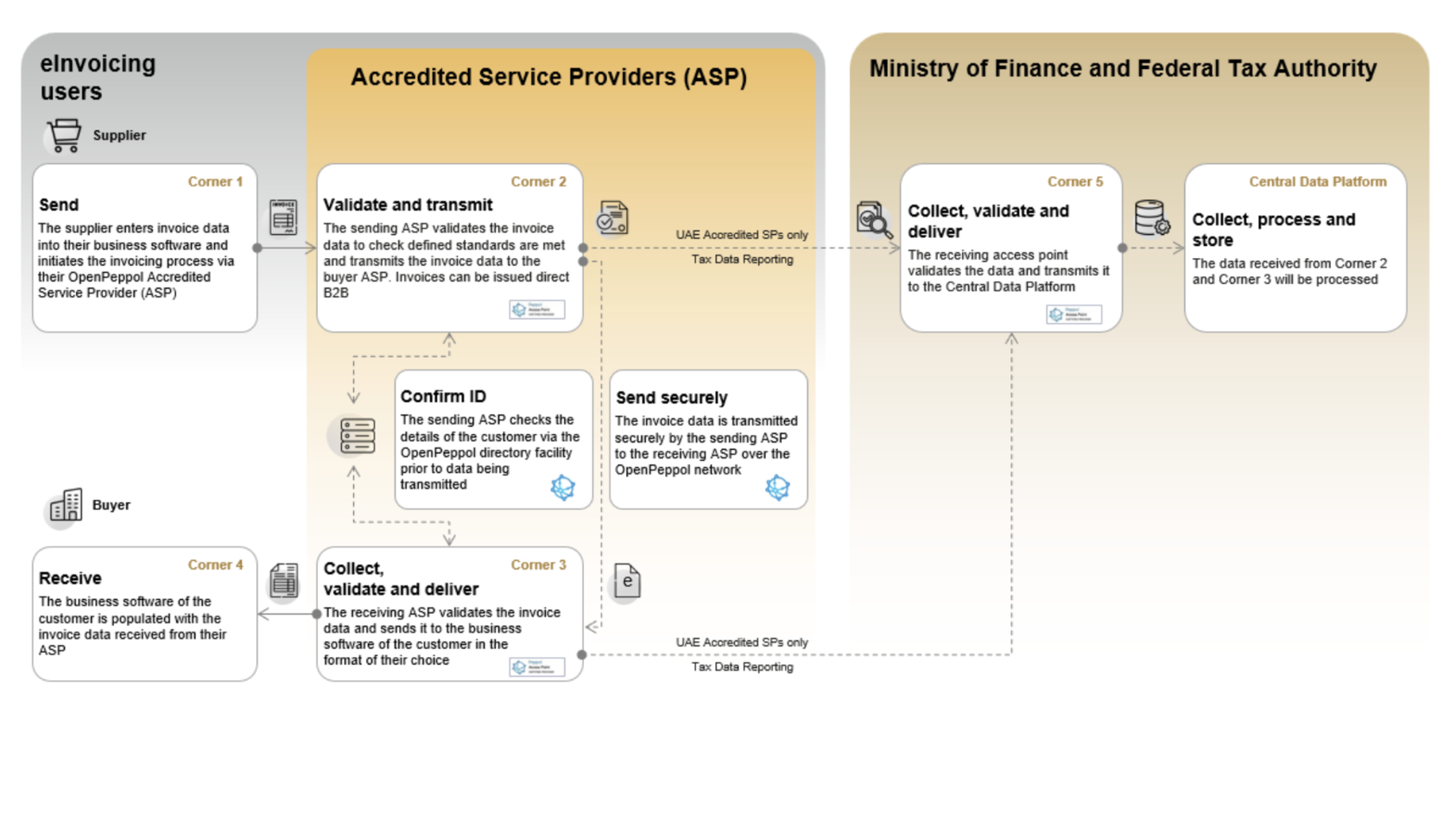
E Invoicing (Electronic Invoicing) is transforming how businesses in the UAE issue, exchange, and process invoices. By replacing paper-based and unstructured digital formats with structured, automated data exchange, E Invoicing supports a modern, transparent, and digitally enabled economy. It enhances efficiency, reduces tax gaps, and ensures seamless communication between suppliers, buyers, and government systems.
What Is E Invoicing?
Conclusion
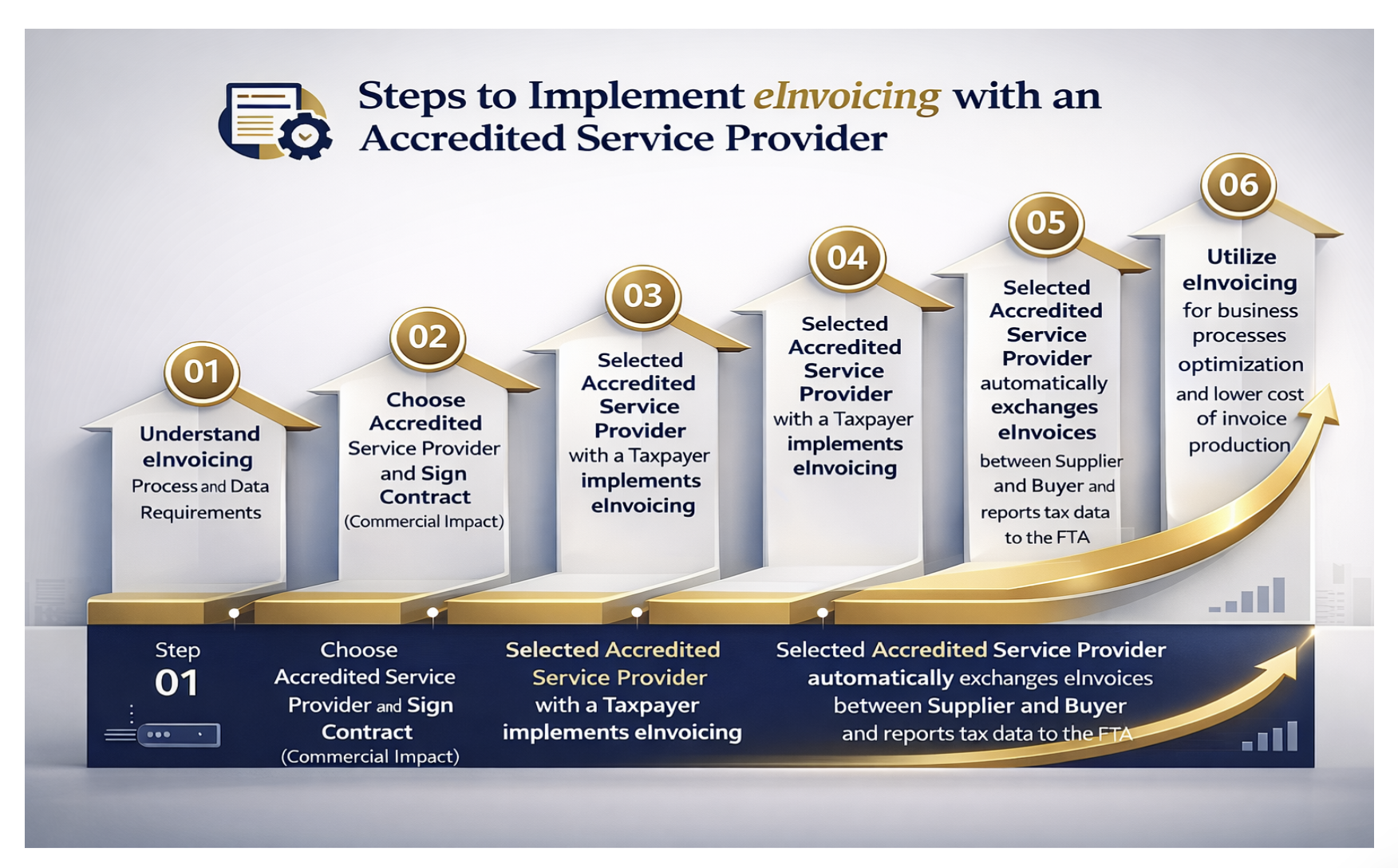
The UAE’s E Invoicing initiative marks a major step toward a fully digital fiscal ecosystem. By adopting structured, automated invoicing, businesses can reduce costs, improve accuracy, and ensure compliance with evolving tax regulations. Early preparation — especially selecting an Accredited Service Provider and aligning internal systems — will help organizations transition smoothly and take full advantage of the benefits.